Moving forward together: A new space for primary care
Accessing primary health care support is getting easier.
- News
Good nutrition and physical activity help keep your bones healthy throughout your life.
When you are young, healthy eating helps build strong bones. As you age, healthy eating and staying active can help keep your bones strong and lower your risk of broken bones.
“Bones need protein, calcium, vitamin D, phosphorus, magnesium and vitamin K to be strong,” explains Mikaela Jahrig, registered dietitian, Calgary Foothills Primary Care Network (PCN). “A balanced diet rich in whole foods, including protein sources, fruits and vegetables, healthy fats and calcium-rich foods can provide most of these nutrients.”

Calcium helps build and strengthen bones. How much you need depends on your age, but most people need between 1,000 and 1,300 milligrams each day.
Vitamin D helps your body take in and use calcium. Adults under 50 should try to get 600 international units (IU) each day from food and supplements. Most adults over 50 need 800 IU.
Protein helps build bones and keeps the muscles that protect them strong. Try to make protein about one-quarter of each meal.
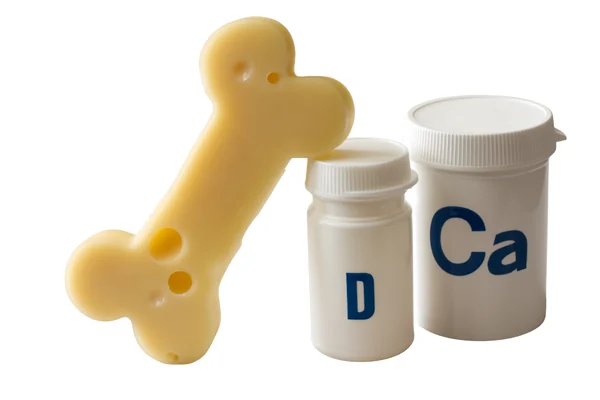
It is best to get calcium from food sources because food also provides other nutrients and health benefits. You may need a calcium supplement if you don’t get enough from food. Be careful not to take too much calcium, as it can cause health problems like kidney stones.
“Most people in Alberta might also need a vitamin D supplement because it’s difficult to get from food and sunlight alone,” says Jahrig.
Wondering whether you’re getting enough calcium or vitamin D? Talk to your health care provider or dietitian, who can suggest ways to improve your diet or the right supplement dose.
After age 50, you need more calcium and vitamin D, especially if you are a woman going through or after menopause. Hormone changes can lower the amount of muscle in your body and affect your bones. Women over 50 should try to get 1,200 mg of calcium each day, mainly from food, and exercise regularly.
Fall prevention also becomes increasingly important with age. Physical activity, such as walking, weightlifting and resistance-band exercises, helps keep bone strength, the amount of muscle in your body, mobility and balance.
Warning signs and risk factors include:

Osteoporosis is a disease that makes bones thinner and weaker, so they break more easily. “It is often called a silent disease because bone loss usually causes no symptoms until a break occurs,” says Sharon Pregitzer, clinical pharmacist at the PCN.
Some health conditions and family history can raise your risk of osteoporosis. Certain medical procedures and medicines can also increase your risk because they affect how your body takes in nutrients or cause you to lose bone faster.
“The main goal of osteoporosis treatment is to lower the risk of broken bones by using diet, exercise, supplements, medication or a mix of these,” says Pregitzer. “Some osteoporosis medicines slow down bone loss, while others help build new bone.”
Talk to your family doctor, nurse practitioner or pharmacist about all your medications, both prescription and over-the-counter. Some medicines can interact and affect your treatment or how your body takes in nutrients. Never stop taking prescribed medication without professional advice.
Learn more about osteoporosis medications by visiting Osteoporosis Canada’s website.

To support long-term bone health:
Our registered dietitians can check your nutrient intake, explain nutrition advice, help you set practical goals and support you with health conditions, digestive issues or food allergies.
Our clinical pharmacists can assess your risk of breaking your bones and review your medications. They can also help with medication changes, such as adjusting doses, adding new medicines or recommending when to stop a medication.