• 3 min read

Why more people are choosing to drink less

More people are starting to rethink how alcohol fits into their lives. The rise of “mindful drinking” shows a shift toward moderation, better health awareness and more thoughtful choices.

Instead of cutting out alcohol completely, many people are choosing to drink less often. Some choose drinks with lower alcohol, while others try alcohol-free options like mocktails.

Female person waking up in the morning lying in bed under cozy white blanket in bedroom, stretching arms and showing thumb up sign. Relaxed sleepy woman happy to start a new day in the morning.

Rethinking alcohol for better health

Research shows that alcohol can affect both short- and long-term health. It can impact sleep quality, mental health and overall physical well-being — even in small amounts.

Alcohol is a central nervous system depressant, meaning it slows brain activity and can affect mood, coordination and decision-making. In the short term, it may impair reaction time, disrupt sleep and lead to dehydration. Over time, regular or heavy drinking can increase the risk of health concerns such as high blood pressure, liver disease and mental health challenges.

“From a nutrition perspective, alcohol contributes calories without offering nutritional value or health benefits. Any reduction in alcohol can be beneficial for your health,” says Calgary Foothills PCN Registered Dietitian Elisa D’Andrea.

Feeling the difference

For many people, the decision to drink less is also about how they feel day to day. Because alcohol can interfere with sleep and hydration, reducing intake may lead to better sleep, more energy, improved concentration and fewer headaches.

These small, noticeable changes are often what motivate people to reassess their habits.

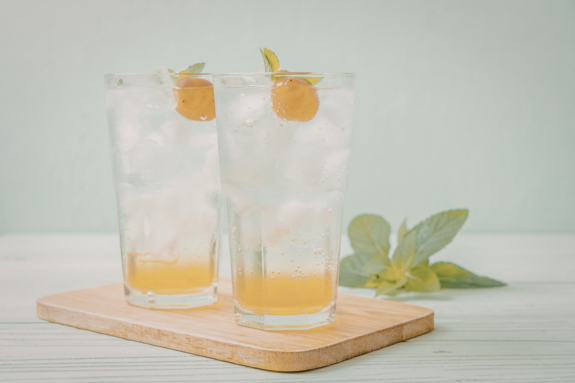
Two tall glasses filled with refreshing citrus mocktail, garnished with a slice of orange and a sprig of mint.

The rise of mocktails and low-alcohol options

Mocktails have become a popular alternative. They offer the same flavour, presentation and social experience without the effects of alcohol.

At the same time, there is a growing range of low- and no-alcohol beverages, including beer, wine and spirits. These options make it easier to reduce alcohol intake without giving up social connection or enjoyment.


A balanced approach

Choosing to drink less does not have to mean giving it up entirely. For many people, it is about finding a balance that supports their health and fits their lifestyle.

Whether someone is reducing their intake for health reasons, personal preference or simply to feel better, exploring lower-alcohol or alcohol-free options can be a practical and sustainable step.

“By choosing alcohol free options more often, you can help meet Canada’s low risk alcohol guidelines (1-2 drinks per week) while still participating in social gatherings that share in the enjoyment of food and drinks.” says D’Andrea, “Mocktails are also a refreshing way to meet your hydration needs! Combinations of fresh fruit, herbs, citrus, bubbly water, herbal teas, blended frozen fruit and kombucha are great low sugar options.”

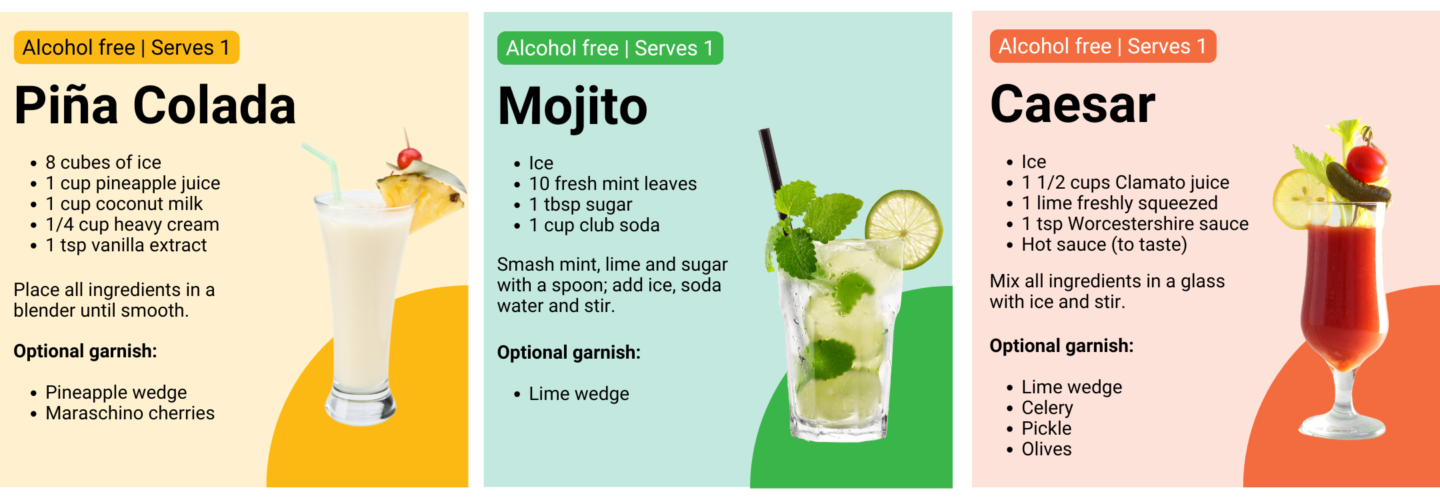
three mocktails with recipes, pina colada, mojito, caesar

Talk to a healthcare professional

Talk to your family doctor or nurse practitioner if you have questions about how alcohol may affect your health. You can also book a free one-on-one appointment with a PCN dietitian or health management nurse for personalized advice on reducing your alcohol consumption.