Almond, oat, coconut — which is the best alternative to cow’s milk?
- Resources
It seems like everywhere you look these days, there are labels promoting protein. How much do you actually need?
Take a stroll around the grocery store and you’ll find bright packaging with bold wording like:
Protein marketing is often directed at people who exercise — telling them to consume protein shakes, powders, bars and eat high-protein diets. But lately it seems extra protein is being added to everything from coffee and ice cream to cereal and pasta.
You may be left wondering, “Is protein essential for everyone or only athletes? How much do I actually need and what should I be eating?”
Protein is an essential nutrient (one that comes from food). Along with carbohydrates and fats, protein contributes to a healthy diet. Protein plays a key role in maintaining healthy muscles, bones, skin and organs. Protein is also necessary for supporting your immune system and moving nutrients throughout the body.
“Protein is an incredibly important nutrient,” says Madison Hows, Registered Dietitian, Calgary Foothills Primary Care Network (PCN).
“Protein helps us feel full after eating and helps regulate blood sugar levels. Too little protein can lead to unintentional weight loss or decreased strength. Getting enough protein is possible through knowing where to find it and some planning,” Hows adds.
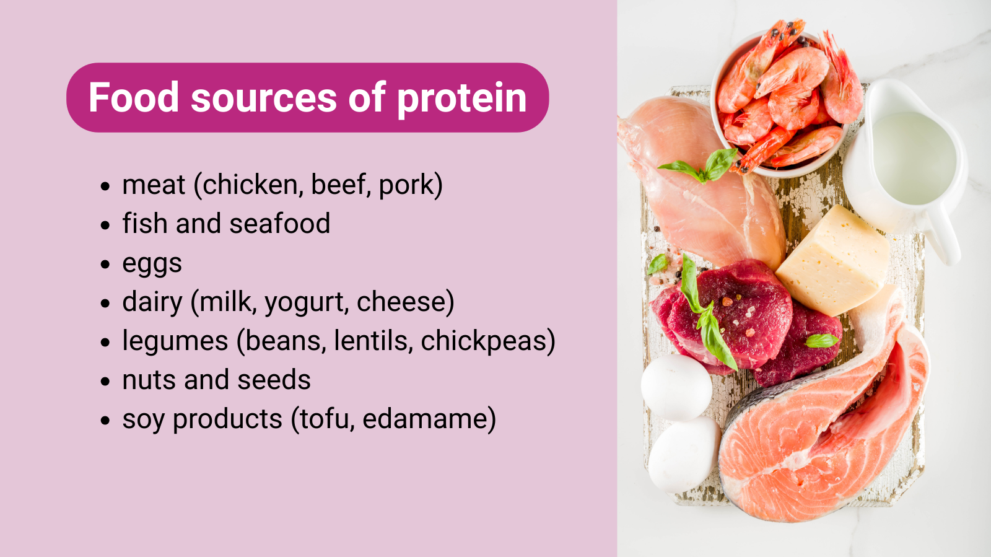
Protein is found in various animal and plant-based foods. Common sources that are rich in protein include meats, dairy (milk, yogurt, cheese), legumes (lentils, green peas, kidney beans), soy products (tofu, soy milk), eggs, nuts and seeds.
You should aim to consume plant-based proteins more often such as legumes, tofu, nuts and seeds. They contain fibre and less saturated fats than some animal products. Fibre helps support a healthy gut, while less saturated fats help support heart health.
When you eat animal protein, choose healthier options like fish, lean meat, skinless chicken and low-fat dairy products. Use healthy cooking methods such as broiling, grilling, roasting or stir frying.
Eating protein from a variety of sources ensures you are getting other important nutrients like fibre, calcium, iron, Omega 3 and vitamin B12.
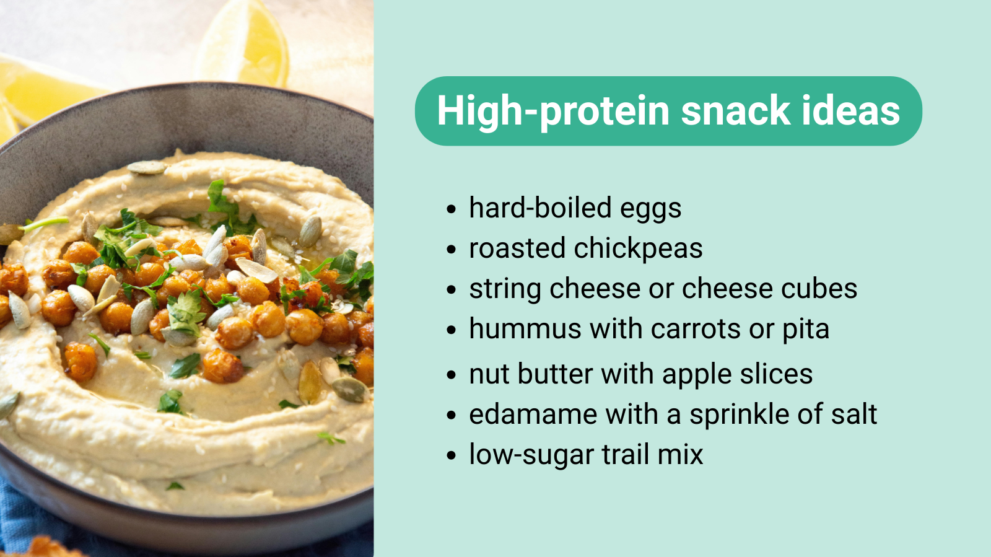
Here are some protein-rich meal ideas:
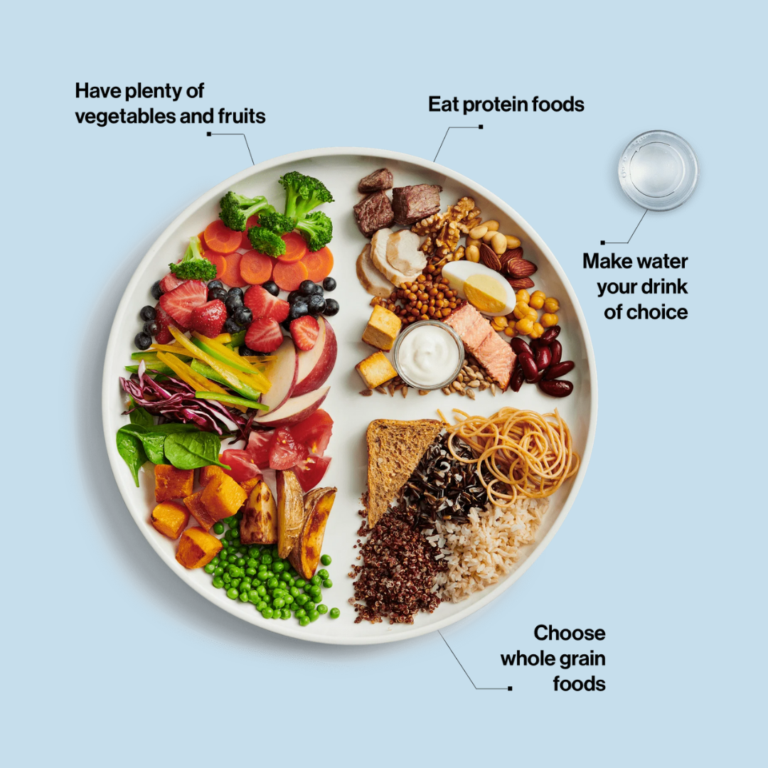
Protein needs are not the same for everyone. Your age, weight and activity level all play a role. As a simple guide, protein should make up about 25% of your plate at any meal. This amount meets the needs of most people.
The following groups have different protein requirements, including:
For most people, protein powders, bars and shakes are not necessary. Regular food provides enough protein along with other vitamins and minerals that supplements often lack.
Protein supplements are often more expensive than whole foods and can contain excess sugars. However, they can be helpful if you have trouble getting enough protein from your diet alone.
“Protein is a key element in balanced meals.” says Hows. “If you’re struggling to meet your protein requirements or integrate those foods into your daily diet, consider booking an appointment with one of our dietitians. We can create simple meal plans and give you tips and techniques to build a healthy diet and a healthy you.”
Take our free nutrition workshop or connect with one of our registered dietitians for personalized advice.