• 4 min read

Keeping kidney stones at bay

  • Resources

We rely on our kidneys to filter blood and make urine, but every so often they make stones, too. 

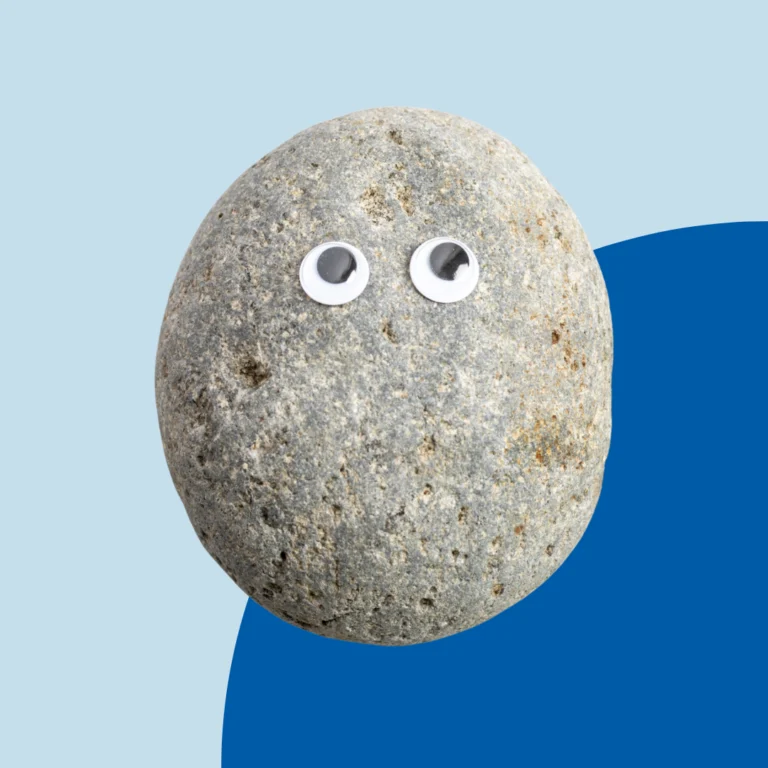
Kidney stones are associated with pain for a reason — they’re rock-like mineral deposits that form when your pee becomes too concentrated, allowing minerals to crystallize and stick together. They can be as small as a grain of salt or, in extremely rare cases, as large as a ping pong ball. Some cause severe pain while others go unnoticed. 
 
Stones can be caused by low fluid intake, diet, family history and genetics and certain health conditions, medications and supplements. While small ones may pass on their own, others need medication to pass more easily or need to be broken up by medical procedures to avoid an infection or blockage. 
 
There are many myths about how to prevent and manage them, particularly through fluids, diet and avoiding certain foods. 
 
“It is always best to meet with a registered dietitian for a nutrition assessment,” says Heather Kearney, registered dietitian at Calgary Foothills PCN. “We can help identify factors in your diet that are likely playing a role in kidney stone formation.”  

Rock with googly eyes representing a kidney stone.

Common myths, real facts

The most common type of kidney stone forms from calcium and oxalate — a compound found in many healthy foods and a natural waste product made by the body.  But wait —  before you throw out all foods that contain calcium and oxalate, keep reading. It’s not that simple!

Eating enough calcium-rich foods — such as milk and other dairy products, canned salmon with bones, kale and collard greens — can actually help lower your risk of kidney stones. Calcium binds to oxalate in the gut, so less oxalate is absorbed into the body.

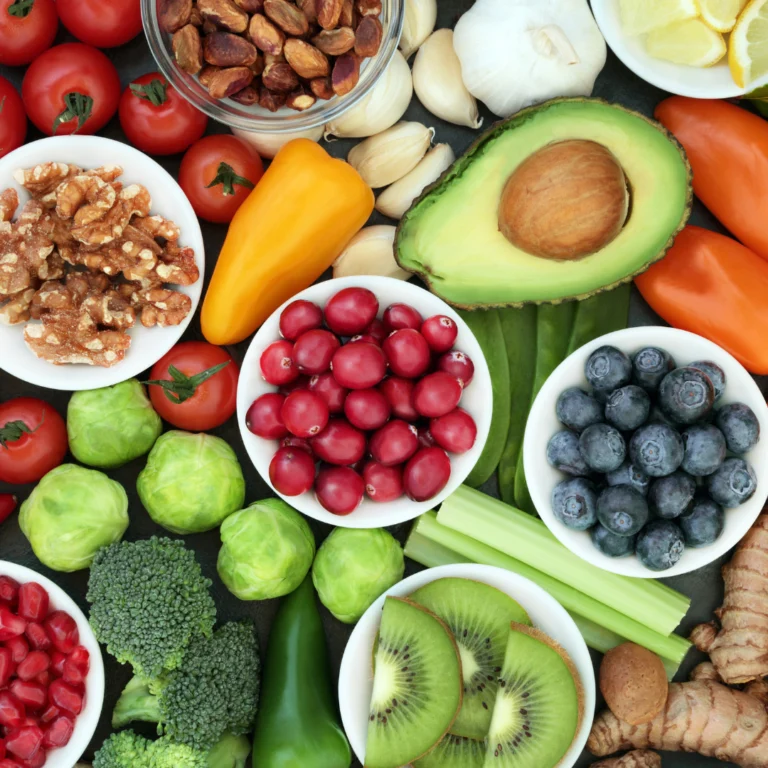
And while you might be tempted to limit large amounts of some high-oxalate foods, such as spinach, rhubarb, beets, Swiss chard, almonds, cashews and potatoes with the skin on, most people do not need to avoid these foods completely.
“Most of us don’t need to follow a strict diet low in oxalates,” says Kearney. “In fact, a very low-oxalate diet can potentially make things worse. The way stones form is complicated.”

Image of a variety of fruits, vegetables and nuts.

Ways to lower your risk

Whether you’ve had kidney stones before or not, you probably don’t need to follow a strict diet. Kearney recommends the following simple tips to prevent stones —find similar ones from Alberta Nutrition Services:

  • Drink lots of fluids, especially water. Aim to drink two-and-a-half to three litres of fluid throughout the day and more during heavy exercise or in hot weather. You’ll know you’re drinking enough when your urine is pale yellow. Limit sugary drinks like pop and juice.
  • Adopt a heart-healthy diet: Eat whole foods like fruits, vegetables, legumes, whole grains, low-fat dairy products, healthy fats like olive oil, avocado, nuts and seeds and fatty fish.
  • Limit salt, processed and restaurant foods. Too much salt can make you more prone to kidney stones — try seasoning your food with spices and herbs instead.
  • Eat more plant-based proteins like lentils, beans, and tofu. Avoid eating excess animal protein, which can increase calcium and acid levels in your urine.
  • Eat calcium-rich foods, such as milk or plant-based beverages with calcium, cheese, yogurt, kefir, canned fish with bones, kale and collard greens.
  • Discuss any vitamins or supplements you take with your provider: Certain supplements, such as vitamin C, calcium combined with vitamin D (especially on an empty stomach), turmeric and greens powders can increase your risk.

While some people do need to limit foods high in oxalate, it’s best to check with your doctor or a registered dietitian first, says Kearney.

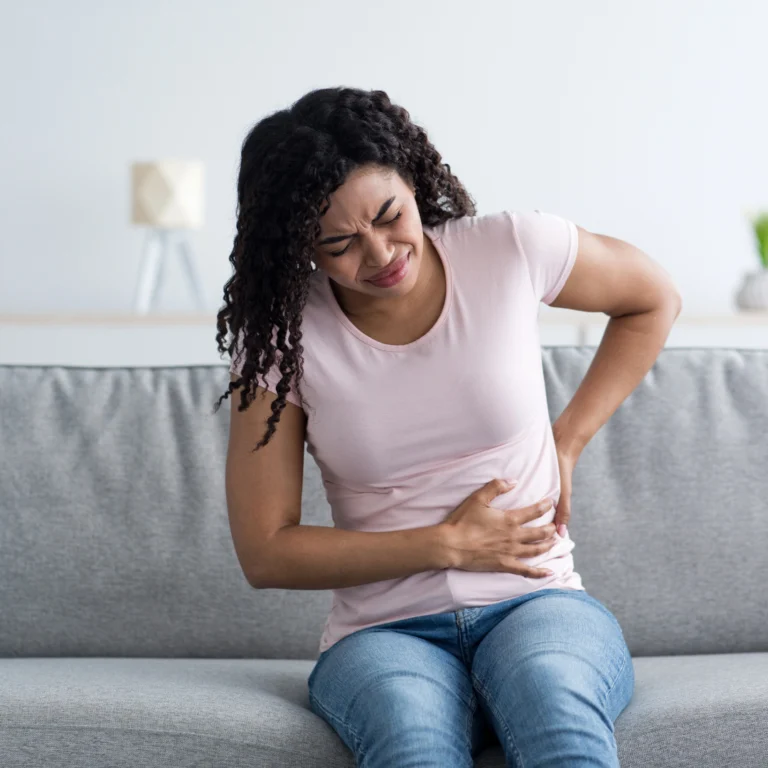
Women holding her side in pain where the kidney is located.

When to see a care provider

When a kidney stone grows big enough to be a problem, you’ll feel it — many people experience sudden or wave-like intense pain or cramps in their back or ribs. That typically means the stone has blocked the ureter — the tube that carries urine between the kidney and the bladder.

You might also notice changes when you pee: there could be blood or a burning sensation, or you could be peeing more or less than usual. Those kinds of symptoms mean it’s time to see a doctor or care provider, who may refer you to an ultrasound or 24-hour urine test to be sure.

If you keep having kidney stone issues, you might be referred to a PCN registered dietitian for dietary advice. You can also self-refer for an appointment if you need support right away.